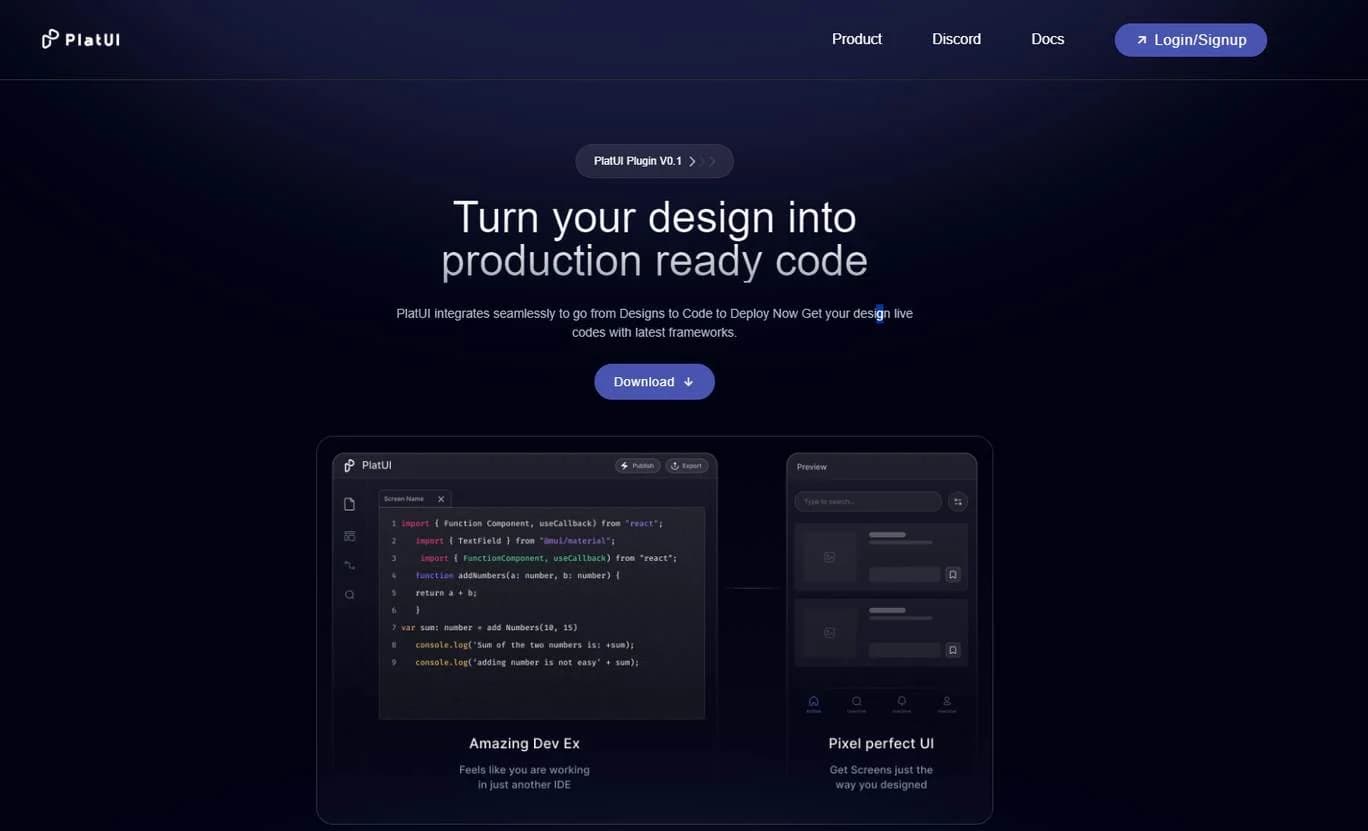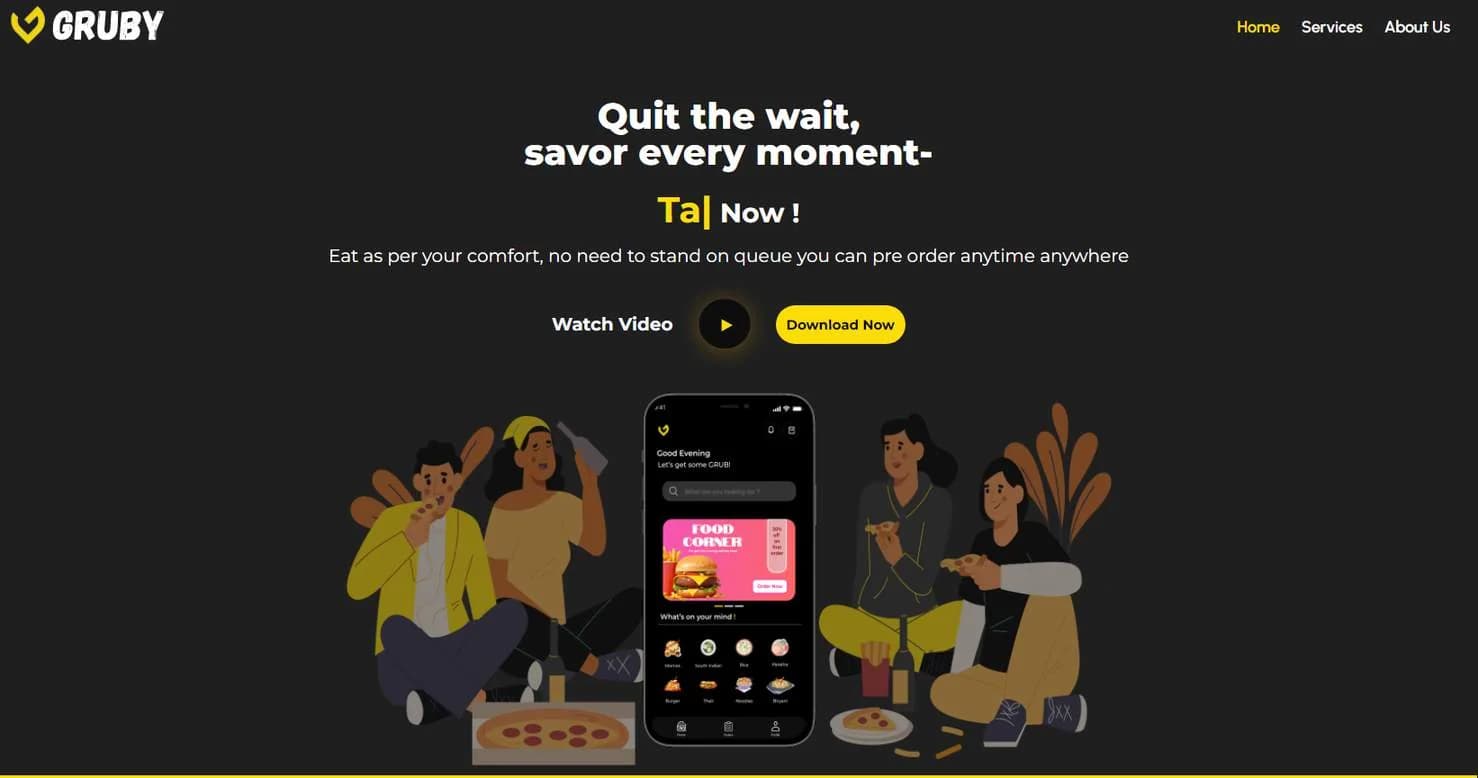
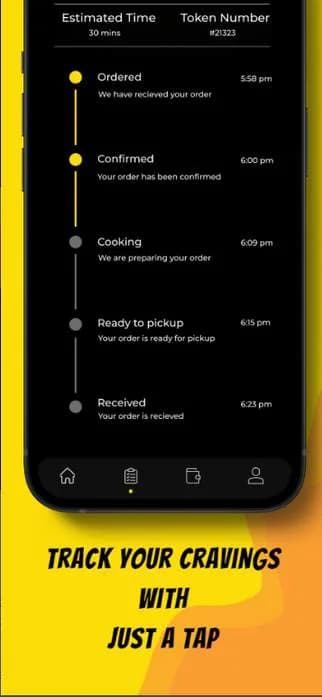
Food delivery platform — website and app
Gruby
A food delivery platform for ordering from local restaurants, with scheduled orders and live order tracking.

Product Engineering
From first version to a SaaS product customers pay for.
What’s included
Overview
We build software-as-a-service products end to end: multi-tenant architecture, subscriptions and billing, onboarding, admin tools and the analytics that show what customers actually use.
We also build SaaS products of our own — DialynAI, DialWise AI, Lauki and ChaseBuilder — so we plan for what comes after launch: pricing changes, usage limits, support tooling, data privacy and the next ten features on the roadmap.
What you get
A first release defined around one core job, with a roadmap for what follows.
User flows, a design system and interface designs for web and mobile.
Multi-tenant application with billing, authentication and admin tooling.
Environments, monitoring, backups and deployment pipelines.
Usage analysis and planned releases after launch.
How we work
The problem, the buyer and the smallest release that proves value.
Core flows and a design system that can grow with the product.
MVP engineering with billing, auth and admin from day one.
Onboarding, analytics and support processes in place for the first customers.
Roadmap driven by usage data and customer conversations.
FAQ
Small enough to launch in weeks rather than quarters, and complete enough that customers can do one important job end to end. We help cut scope without cutting the parts that make the product credible.
Yes. We integrate subscription billing, plan limits and invoicing with a payment provider that suits your markets.
Yes. DialynAI, DialWise AI, Lauki and ChaseBuilder are designed and engineered at Chasegeek, and that experience shapes how we plan client products.
Related insights

Is your website helping your business grow — or holding it back? Here’s how to tell. In today’s digital-first world, your website isn’t just a brochure — it’s your brand’s first impression, storefront, customer service…
4 min read
In today’s hyper-digital world, speed is no longer a luxury—it’s an expectation. With attention spans shrinking and competition just a click away, having a slow-loading website can be a silent killer for your business…
4 min read

In today’s fast-paced digital world, your website is often the first interaction a potential customer has with your brand. A sleek design might attract visitors, but it’s seamless functionality and user experience that…
3 min read
Share the goal, the current state and any constraints. We’ll reply with questions and a proposed approach.